
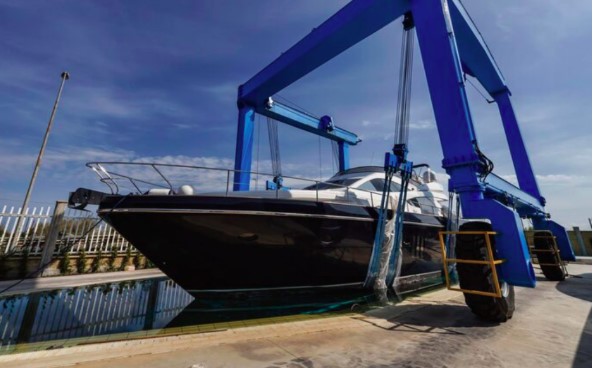
The logistics of marine transportation require precision and heavy-duty machinery to ensure that materials move quickly from water to land.
Whether you are handling bulk aggregates, grain, or industrial minerals, the method you choose to empty a vessel can significantly impact your operational overhead and throughput. To optimize your maritime supply chain, here are six critical factors to consider when evaluating your options.
1. Material Characteristics and Density
The physical properties of the cargo are the primary driver of equipment selection. Free-flowing materials like grain or fine sand may be best handled by continuous barge unloading equipment such as screw conveyors or bucket elevators.
However, if you are dealing with large, abrasive rocks or sticky clay, a heavy-duty grab crane or a specialized excavator-based system might be necessary.
Understanding the moisture content and flowability of your material prevents mechanical clogs and premature wear on the machinery.
2. Throughput Requirements and Speed
Time is money in terminal operations, and demurrage costs can accumulate quickly if a vessel sits idle at the dock. You must calculate the required tons-per-hour to meet your facility’s demands.
High-capacity operations often benefit from continuous mechanical unloaders that provide a steady stream of material, whereas smaller terminals might find that intermittent grab buckets or pneumatic systems offer a more cost-effective balance between speed and investment.
3. Environmental and Dust Control Regulations
Modern maritime operations face strict scrutiny regarding air and water quality. If you are handling dusty materials near residential areas or environmentally sensitive waters, you should prioritize enclosed barge unloading equipment.
Pneumatic systems and covered conveyors are excellent for containing particulates. Investing in systems with integrated dust suppression or vacuum technology not only ensures regulatory compliance but also protects the health of your site workers.
4. Water Level Fluctuations and Tidal Range
The geography of your terminal dictates the structural design of your unloading system. In locations with significant tidal changes or seasonal river level fluctuations, the equipment must be able to reach the bottom of the hold regardless of the vessel’s height relative to the dock.
Floating derrick cranes or adjustable-arm unloaders provide the flexibility needed to maintain consistent contact with the cargo as the barge rises or sinks during the discharge process.
5. Flexibility and Versatility of the System
Some facilities handle the same commodity year-round, while others must adapt to changing market demands. If your terminal needs to switch between coal, fertilizer, and gravel, you require versatile barge unloading equipment that can be easily cleaned or adjusted.
Mobile units that can move along the dock or be reconfigured with different attachments offer a strategic advantage for multi-purpose ports compared to fixed, single-commodity installations.
6. Maintenance Costs and Structural Durability
The salt-heavy and humid air of a waterfront environment is notoriously corrosive to industrial machinery. When selecting a system, evaluate the quality of the coatings, the ease of accessing grease points, and the availability of replacement parts.
A lower initial purchase price can be deceptive if the machinery requires frequent downtime for repairs. Choosing robust barge unloading equipment with a proven track record of durability ensures that your terminal stays productive for decades to come.

